

After School Meltdowns: Why Neurodivergent Children Fall Apart at Home And How to Help
Many neurodivergent children hold it together all day at school — only to fall apart the moment they get home. These after-school meltdowns aren’t bad behaviour. They’re nervous system overload. Here’s why they happen and how to create a calm, supportive reset that truly helps.

Supporting Sensory Regulation in Neurodivergent Children: Renew, Release, Restore
Every child has a natural rhythm — but for neurodivergent children, navigating overwhelm in a fast-paced world can feel especially challenging. The Renew, Release, Restore approach offers practical, sensory-aware strategies to gently build capacity, safely discharge stress and support emotional restoration in everyday life.

Celebrating Neurodivergent Children: Strengths, Understanding and Support
Neurodivergent children don’t need to be fixed or changed — they need to be seen, understood, and supported as they are. This blog explores how recognising strengths, understanding challenges, and celebrating individuality can help neurodivergent children grow with confidence and self-belief.

Understanding Emotional Wellbeing in Neurodivergent Children
Emotional overwhelm in neurodivergent children is not a sign of bad behaviour — it’s a sign that their nervous system needs safety and support. In this blog, we explore how emotional strain can show up, why regulation begins with feeling safe, and how gentle routines, connection, and sensory-aware support can help children feel grounded, understood, and emotionally supported in everyday life.

Big Days, Gentle Endings; Supporting Calm Evenings for Neurodivergent Children.
Winding down in the evening isn’t always easy for neurodivergent children. This blog shares gentle routines and sensory-aware support to help create calmer, more reassuring evenings for the whole family.
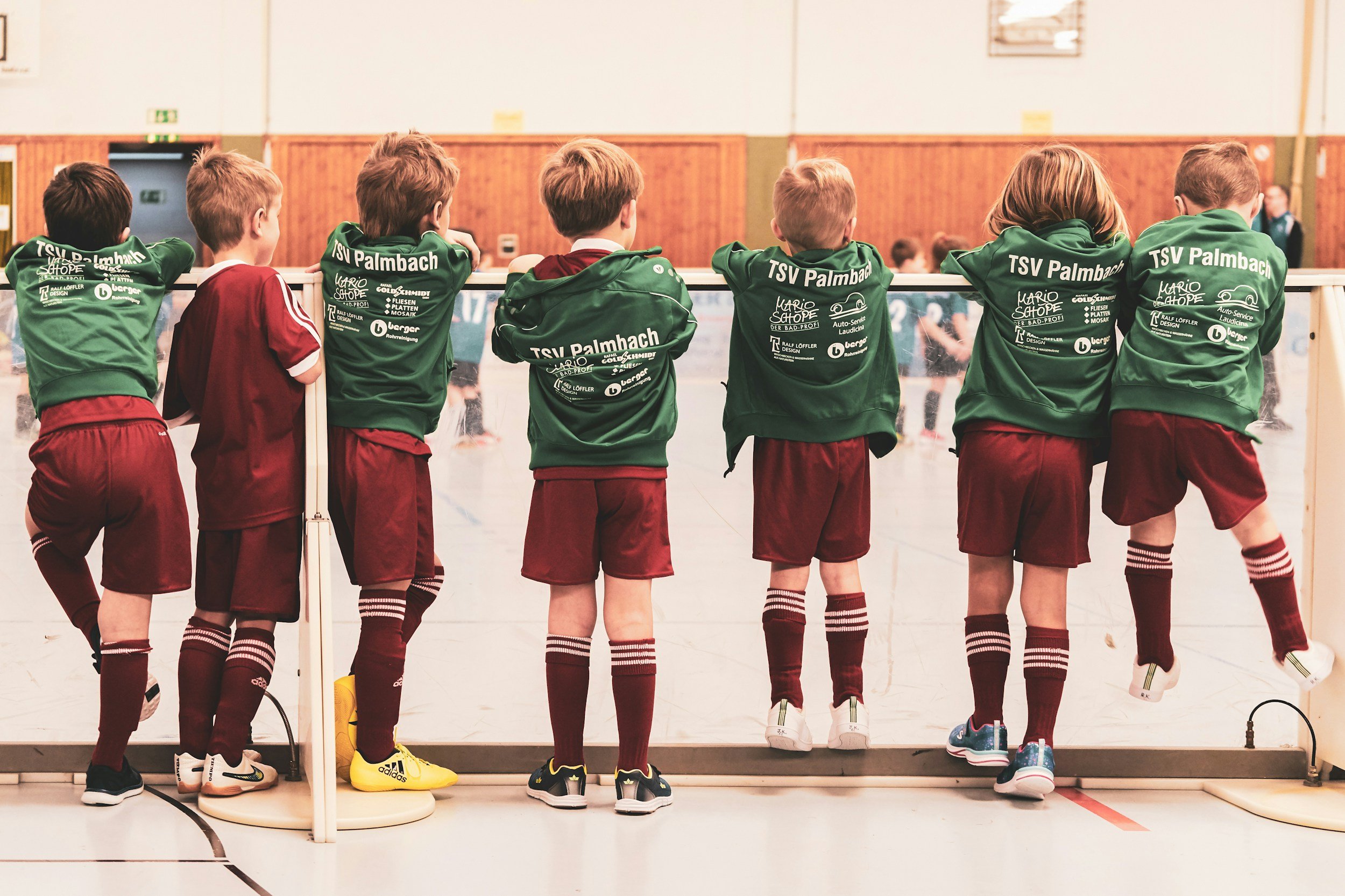
Supporting friendships for neurodivergent children after the holidays
Returning to school after a holiday break can be especially challenging for neurodivergent children. Changes in routine and social dynamics can leave friendships feeling uncertain and emotionally overwhelming. In this blog, we explore why friendships can feel harder after time away, the importance of emotional regulation, and gentle, supportive ways parents can help their child feel safe, calm, and connected as they return to routine.

Supporting Neurodivergent Young people returning to routine after the Christmas break
Returning to routine after the Christmas break can feel overwhelming for neurodivergent young people and their families. This blog explores why transitions can be so challenging and shares gentle, supportive ways to rebuild routines, ease separation anxiety, and support emotional regulation with compassion and understanding.

The healing power of nature: Why it supports wellbeing.
This blog explores how nature helps regulate the senses, supports emotional wellbeing, and inspires sensory tools that bring those benefits directly into everyday life.